
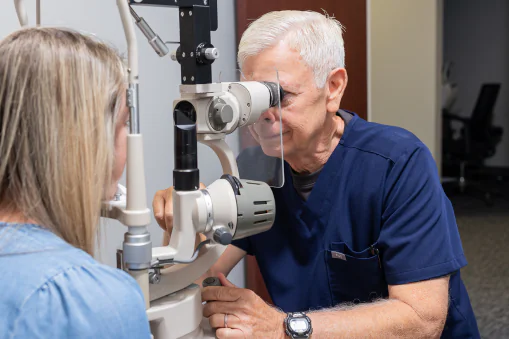
When was your last eye exam?
If you can’t remember—or it’s been more than a year—National Eye Exam Month is the perfect reminder to prioritize your eye health. While many people think of an eye exam as simply a way to update their glasses or contact lens prescription, comprehensive dilated medical eye exams are one of the most important steps you can take to protect both your vision and your overall health.
At Ighani Eye Care, we’re committed to helping patients of all ages enjoy a lifetime of healthy vision through personalized, comprehensive eye care.
Eye Exams Do More Than Check Your Vision
A comprehensive eye exam evaluates much more than whether your vision is clear.
During your visit, we will examine the health of your eyes and look for early signs of eye diseases that often develop without noticeable symptoms, including:
- Glaucoma
- Cataracts
- Age-related macular degeneration
- Diabetic eye disease
- Dry eye disease
- Retinal disorders
Many of these conditions can be treated more effectively when detected early, before permanent vision loss occurs.
Your Eyes Can Reveal Signs of Other Health Conditions
Did you know your eyes can provide valuable clues about your overall health?
During a dilated medical eye exam, we are able to identify signs of conditions such as:
- Diabetes
- High blood pressure
- High cholesterol
- Autoimmune disorders
- Certain neurological conditions
In many cases, changes in the eyes may be among the earliest indicators that something else is affecting your health.
Don’t Wait for Symptoms
Many common eye diseases develop gradually and without pain or noticeable vision changes.
That’s why regular eye exams are so important—even if you think your vision is perfectly fine.
You may feel like you’re seeing well while subtle changes are occurring that only a comprehensive dilated eye examination can detect.
Paying for a Medical Eye Exam
Great news here. Billing for a medical eye exam goes through your medical insurance, which typically provides more coverage than the average vision insurance. In fact, you don’t even have to have vision insurance to have a medical eye exam!
Additionally, for those who qualify, Medicare covers medical eye exams.
Don’t Wait for Symptoms
Many common eye diseases develop gradually and without pain or noticeable vision changes.
That’s why regular eye exams are so important—even if you think your vision is perfectly fine.
You may feel like you’re seeing well while subtle changes are occurring that only a comprehensive dilated eye examination can detect.
A Personalized Approach to Eye Care
At Ighani Eye Care, every patient receives care tailored to their unique vision needs and lifestyle.
Whether you’re due for your annual eye exam, managing a chronic eye condition, or experiencing symptoms such as blurry vision, headaches, dry eyes, or eye strain, our experienced team is here to help.
We take the time to answer your questions, explain your eye health, and recommend solutions that fit your individual needs.
Make Eye Health a Priority This August
National Eye Exam Month is an excellent opportunity to check one important item off your wellness checklist. Whether it’s been one year—or several—since your last comprehensive eye exam, there’s no better time to invest in your eyes.
Schedule Your Eye Exam Today
This August, celebrate National Eye Exam Month by scheduling an appointment with Ighani Eye Care. Your future self—and your eyes—will thank you.


